The most successful charity partnerships are about more than raising money. At their best, they bring people together around a shared cause, create opportunities for communities to connect and help businesses better understand the people and experiences behind the organisations they support.
That was the theme of a recent discussion, which brought together James Fletcher, Corporate Partnerships Manager at Royal British Veterans Enterprise (RBVE), the organisation behind Tommy Club, and FirstPort Development Manager and military veteran Sean Parker.
FirstPort has partnered with Tommy Club for more than three years, with colleagues and customers raising over £50,000 to support RBVE’s work. The charity provides homes, employment and communities for veterans, including those who have experienced difficulties transitioning from military to civilian life or who are living with disabilities.
But the conversation highlighted something equally important: the value a charity partnership can create in the communities and workplaces that support it.
Giving communities a reason to come together
Across FirstPort developments, fundraising is often something residents and colleagues do together. It might be a tea party, raffle, challenge event or participation in initiatives such as the Great Tommy Sleep Out.
For Sean, who manages a Later Living development, those activities have had an impact well beyond the money raised.
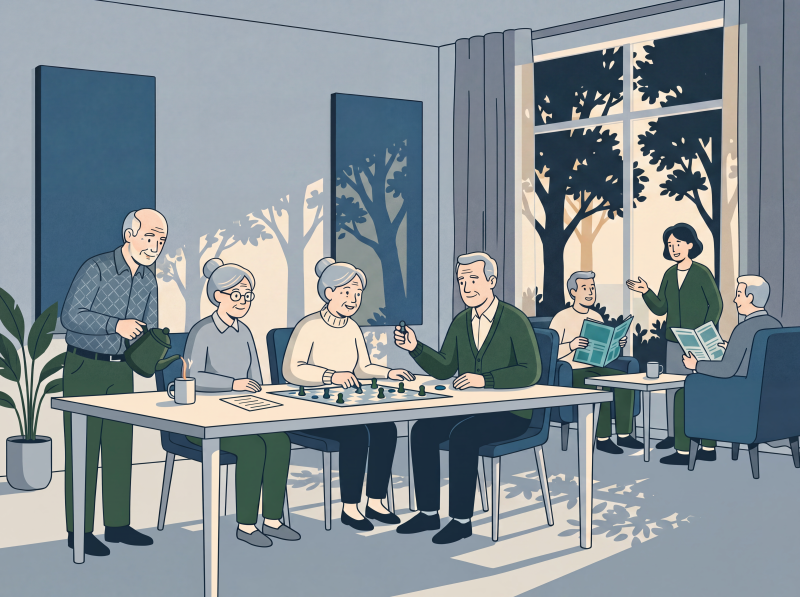
He described how charity events have encouraged residents who would not ordinarily take part in regular social activities to get involved – whether by attending, donating a prize, helping to run an event or simply supporting the cause.
That matters particularly in Later Living communities, where creating opportunities for social connection can help tackle isolation.
Sean saw that first-hand after taking part in the Great Tommy Sleep Out. The support from residents helped create a new connection between him and the people living at his development. From there, community activity grew, with residents becoming involved in everything from quizzes and board games to birthday celebrations and new social events.
It is a good example of why a charity partnership can become much more than a corporate initiative. A shared cause gives people a reason to participate, but the relationships and connections created through that participation can last much longer.
There is also power in knowing that a local activity is contributing to something happening on a much larger scale. Across its partnership with Tommy Club, FirstPort colleagues and residents have supported the same cause in communities around the country. The Great Tommy Sleep Out alone attracted 17,000 participants across the UK this year.
Looking differently at veterans and employment
The conversation also explored another aspect of FirstPort’s relationship with Tommy Club: veteran employment.
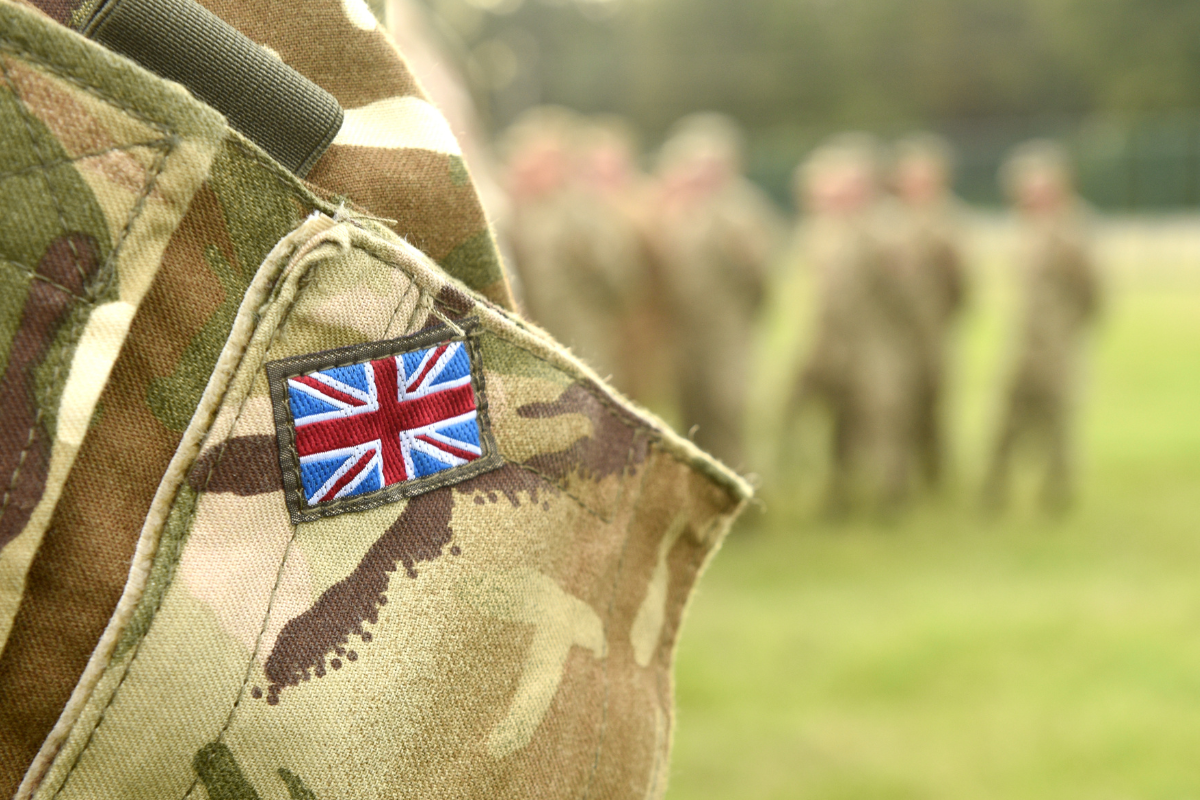
Around 15,000 to 16,000 people leave the UK Armed Forces each year. For many, moving into civilian employment is straightforward. For others, identifying where their experience fits into a civilian career can be more difficult.
One of the challenges is that both veterans and employers can underestimate the breadth of skills developed during military service.
When people think about an Armed Forces career, it is easy to picture frontline roles. The reality is far broader. The military relies on people working across logistics, fleet management, facilities, compliance, operations, training, administration and countless other areas.
Sean’s own experience illustrates the point.
During his military career, part of his role involved looking after accommodation blocks, carrying out checks and dealing with areas including water and fire compliance. When he eventually moved into property management, he began to recognise how much of that experience was directly transferable to his new career.
For Sean, it took time after leaving the military for him to recognise the full range of skills he had acquired. His experience is not unusual. Veterans can sometimes struggle to translate military roles and terminology into the language used by civilian employers, even where the underlying skills are exactly what businesses are looking for.
That is where organisations such as RBVE can play an important role.
Its employment work helps veterans recognise and communicate their experience while also helping employers understand the talent available to them. Alongside technical and professional skills, James highlighted qualities such as resilience, determination and the ability to respond calmly and practically when something needs to be done.
Creating the bridge into a new career
Recruitment is only part of the picture. People entering a new industry also need the opportunity to build on the experience they already have.
For Sean, that has meant combining the skills developed during his military career with property-specific learning at FirstPort.
He spoke about the role of FirstPort’s Property Management 101 training in developing his understanding of areas such as leases and applying that knowledge confidently with residents, alongside the support he received through onboarding, local training and the Elevate personal development programme.
It is an important distinction. Employing veterans does not mean if military experience automatically provides every technical skill required for a civilian role. It means recognising the value of the skills somebody already possesses and giving them the right environment and training to apply those strengths in a new setting.
For employers, that means looking beyond job titles and asking a different question: what has this person learned to do?
A partnership with a wider impact
Tommy Club ultimately exists to support veterans. RBVE is currently completing its Centenary Village, which will provide 100 new homes for veterans with different needs, alongside its employment, training and community programmes across the UK.
Fundraising makes that work possible, and the more than £50,000 raised through FirstPort’s partnership is something colleagues and customers can be proud of.
But the impact of a good charity partnership can travel in both directions.
It can give residents a reason to come together. It can create experiences shared by colleagues across a national business. It can introduce people to issues and communities they may previously have known little about. And, in the case of Tommy Club, it can encourage employers to look again at the experience veterans bring into the civilian workplace.
Perhaps Sean provided the simplest summary at the end of the conversation:
“We all need help sometimes… if you don’t need the help, just be the help.”
Sometimes the value of a partnership really is as straightforward as that.
Listen to the Built, Managed, Lived. podcast
Hosted by FirstPort, the Built, Managed, Lived. podcast brings together residents, policymakers, developers, engineers, and industry experts to explore how homes are designed, run and experienced in real life.