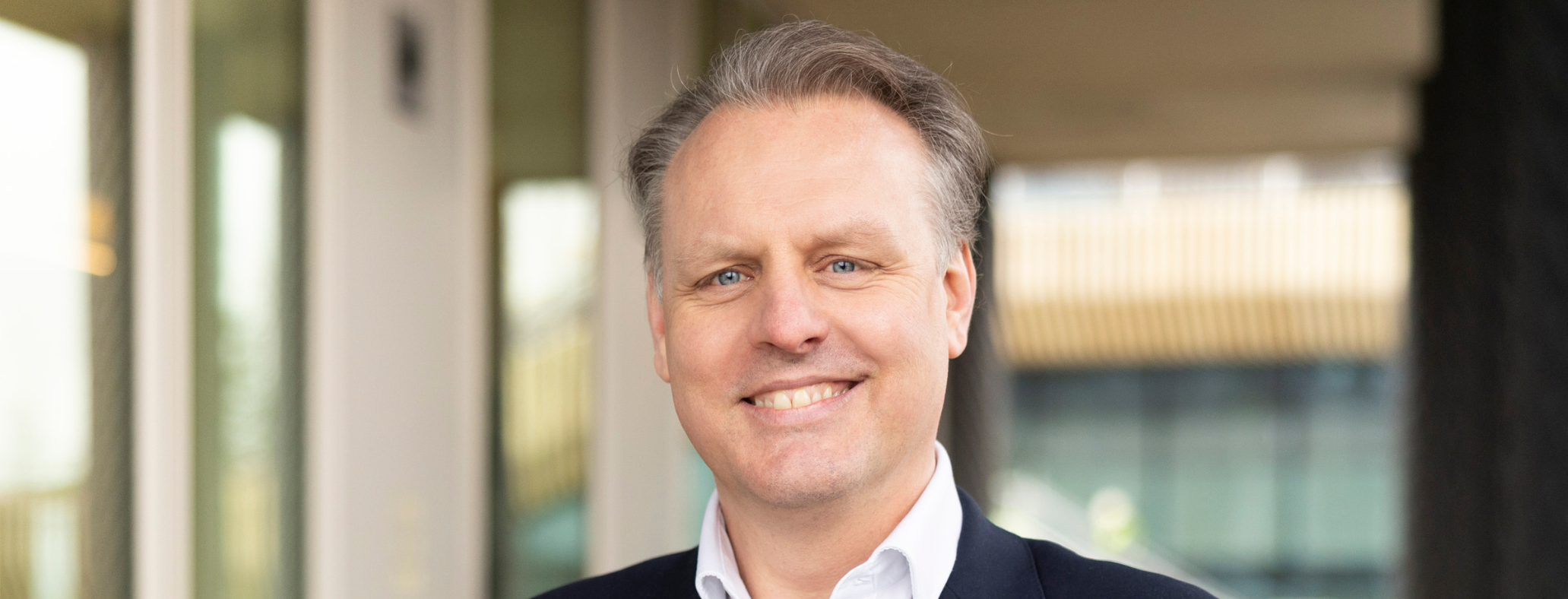
The FirstPort Group Managing Director, Martin King, talks to Property Week about reform, technology and how a customer-focused ethos is supporting its evolution.
How does FirstPort see its role in driving positive change across the industry, especially in light of the government’s reform agenda?
As a leading UK property manager, we have a responsibility and an opportunity to drive change across the industry. We’re pleased to be engaging directly with government and MPs to support the reform agenda and push for greater professionalism, transparency and consistency in the sector.
Since I took on my role just over a year ago, improving service delivery and transparency has been a major focus that has shaped the changes we’ve been making across the business. Whether it’s introducing mandatory training for our colleagues, improving how we communicate with customers or listening carefully to feedback from residents, everything we’re doing is aimed at delivering a better and more consistent service.
What has come out of your engagement with MPs and parliament so far?
We have already been making extensive changes to make sure our business is ready and well placed to provide a more responsive and consumer-led service so we are the best we can be for our residents.
We understand from our engagement with MPs and parliament that mandatory qualifications will likely, and rightly, become part of our industry in the future. A professional property management service is critical to ensure the right level of capabilities for the communities we manage and this is something we fully support.
As the industry continues to evolve with changing legislation and more complex properties to manage, more is expected of our property managers. That’s why we’re already supporting our teams to ensure have the right qualifications and undertake regular training.
Since 2024, we’ve been rolling out a training programme to get all operational staff qualified to at least The Property Institute (TPI) Level 2 by this autumn. So far, more than 1,000 employees have this level of qualification and many are continuing to advance to TPI Level 3 and Level 4 qualifications.
How is your regionalised approach improving service delivery and accountability?
Regionalising our business has been a game-changer. The local nature of property management cannot be underestimated.
We have moved away from being a single national business and split into four distinct regions: the South West, South East, central London and the rest of the UK. This allows us to respond faster, understand local issues better and ensure our teams on the ground are familiar with the communities they work across. It’s made a big difference already in how we are responding to and engaging with residents.
This structure ensures that the property manager, service charge accountant and customer service specialist are all in the same region and the properties they manage are aligned, so these teams can more easily work together to quickly resolve and assist with any resident queries. When residents do reach out, they’re speaking to a team with local knowledge that understands the development and can resolve issues quickly and effectively.
What difference has this model made in terms of customer satisfaction and efficiency?
We now resolve 50% of customer queries at the first point of contact. We still have a journey to go on and improvements we want to make, but our regionally aligned support teams help to resolve issues faster.
We’ve also seen a 17% reduction in how often customers contact us by phone. That’s down to the uptick in first-time resolution and improvements to our online portal, which we introduced last year. The portal allows our customers to self-serve. They can log on, see their documents and accounts and get development updates. This year, we’ve already sent around 10,000 development updates that can tell residents things like when their lift will be repaired or when a job has been completed.
Property managers are now closer to the sites they look after, which means it’s easier to visit, understand and fix any onsite issues. It also reduces time spent on the road travelling from site to site. For example, in our South West region, the property managers are now saving around 96,000 miles a year. That means having more time to spend with customers and it’s great for our carbon footprint.
How has this regional approach helped you build better relationships with clients and residents’ management companies (RMCs)?
Our clients vary from developers to building freeholders, housing associations to RMCs. We know they have different requirements and needs, and our regional structure has allowed us to look at their local needs and tailor our approach accordingly. Our regional clients now have direct contact with our client services team who work alongside the local operations, customer service and service charge accounting teams. We have a more integrated structure, which means faster resolution and an even better understanding of the developments we manage.
We’ve also found the regional approach to be great for our resident-managed developments. We work with more than 1,700 RMCs run by resident directors who are typically residents living at the developments and they need a property manager who both understands the local area and can be a trusted partner, ensuring they are fulfilling their obligations.
How are you supporting your colleagues as the industry evolves?
Communication is key to everything we do. It’s particularly important that everyone across the business understands our purpose, our vision and the important role they play in supporting customers, their homes and communities.
We want to help our colleagues realise their full potential and we’re equipping them with the skills and knowledge they need to best support our customers and feel confident meeting the challenges of an evolving industry.
In addition to our structured training programmes, we also keep everyone in the loop with regular regional breakfast meetings where we share industry updates and what’s happening across the business. It’s a great way to stay connected, informed and engaged as the industry evolves.
How are you maintaining a customer-focused culture while becoming more tech-enabled?
We’ve invested in tools to help us deliver a better service. That includes upgrades to our My Home customer portal, which connects us with more than 215,000 residents, and we get on average 250 new sign-ups every day. The platform supports our customer-focused approach by making information easy to access and understand.
We are developing more customer-friendly invoices and trialling new information guides, allowing residents to better understand how their money is spent to improve their buildings and communities.
How are you using data and AI to improve property management?
Using AI effectively is a shared goal for many people right now and we see particular value in how it can help us gather and understand the data we hold about the buildings we run.
Last year, we piloted our own AI-powered smart buildings platform and following its success, we’ll be rolling it out across a further 20 developments in the next few months. The software allows our teams to monitor safety, functionality and energy efficiency in real time. This enables proactive maintenance, faster issue resolution and improved communication with customers, ultimately ensuring a more effective and proactive development management service.