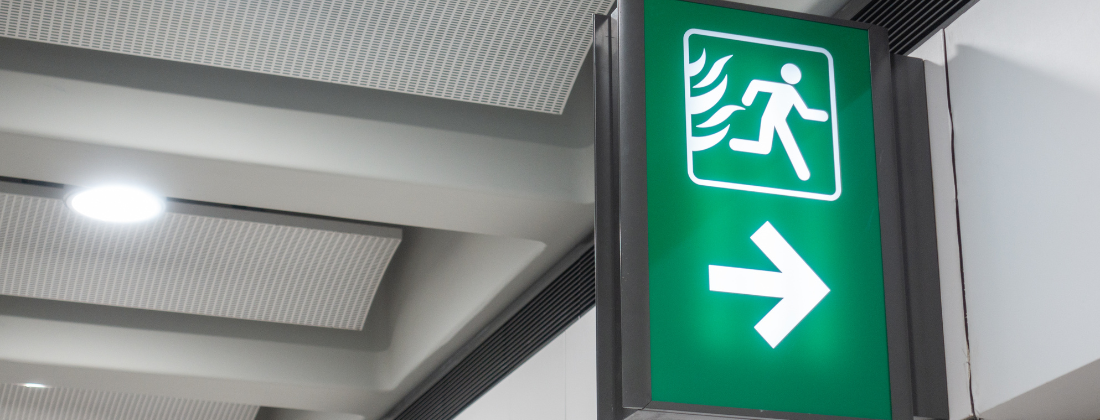
The latest fire safety reforms place people, and their ability to evacuate safely in an emergency, at the heart of building safety planning.
Introduced in response to lessons learned from the Grenfell Tower tragedy, the new requirements recognise that a one-size-fits-all approach to evacuation is not appropriate for every resident. Building owners and managers will increasingly need to work with residents and local fire and rescue services to understand individual needs and ensure appropriate arrangements are considered before an emergency occurs.
For some residents, this may involve assistance with mobility, support using stairways during an evacuation, or ensuring that emergency responders have access to relevant information should help be required. The importance of this approach should not be underestimated. More than half of all social rented households include at least one person with a disability or long-term health condition, meaning millions of people could benefit from clearer and more personalised evacuation planning.
The reforms represent an important shift in how building safety is approached. While implementation will require collaboration between building owners, managing agents, residents and emergency services, the underlying principle is straightforward: everyone should have the confidence that their safety has been considered and that appropriate support is available in an emergency.
As the sector continues to strengthen building safety standards, ensuring that evacuation planning reflects the needs of all residents will remain a critical part of creating safer and more resilient communities.
Listen to the Built, Managed, Lived. podcast
Hosted by FirstPort, the Built, Managed, Lived. podcast brings together residents, policymakers, developers, engineers, and industry experts to explore how homes are designed, run and experienced in real life.