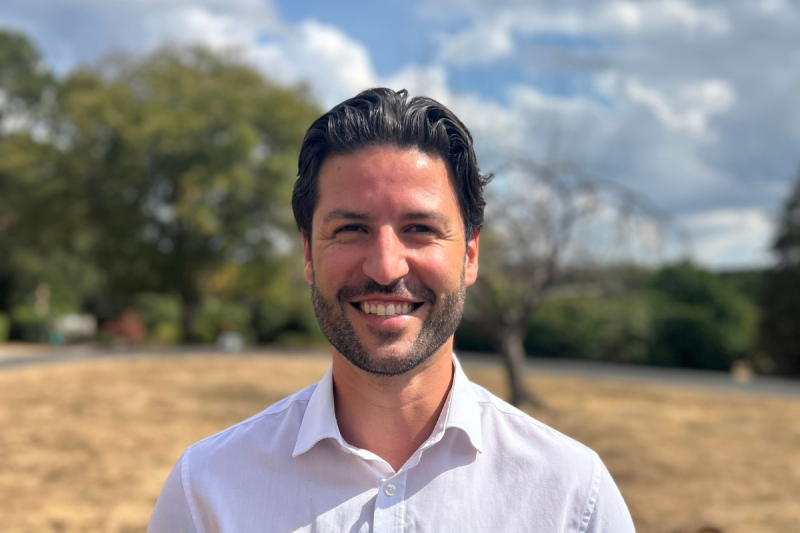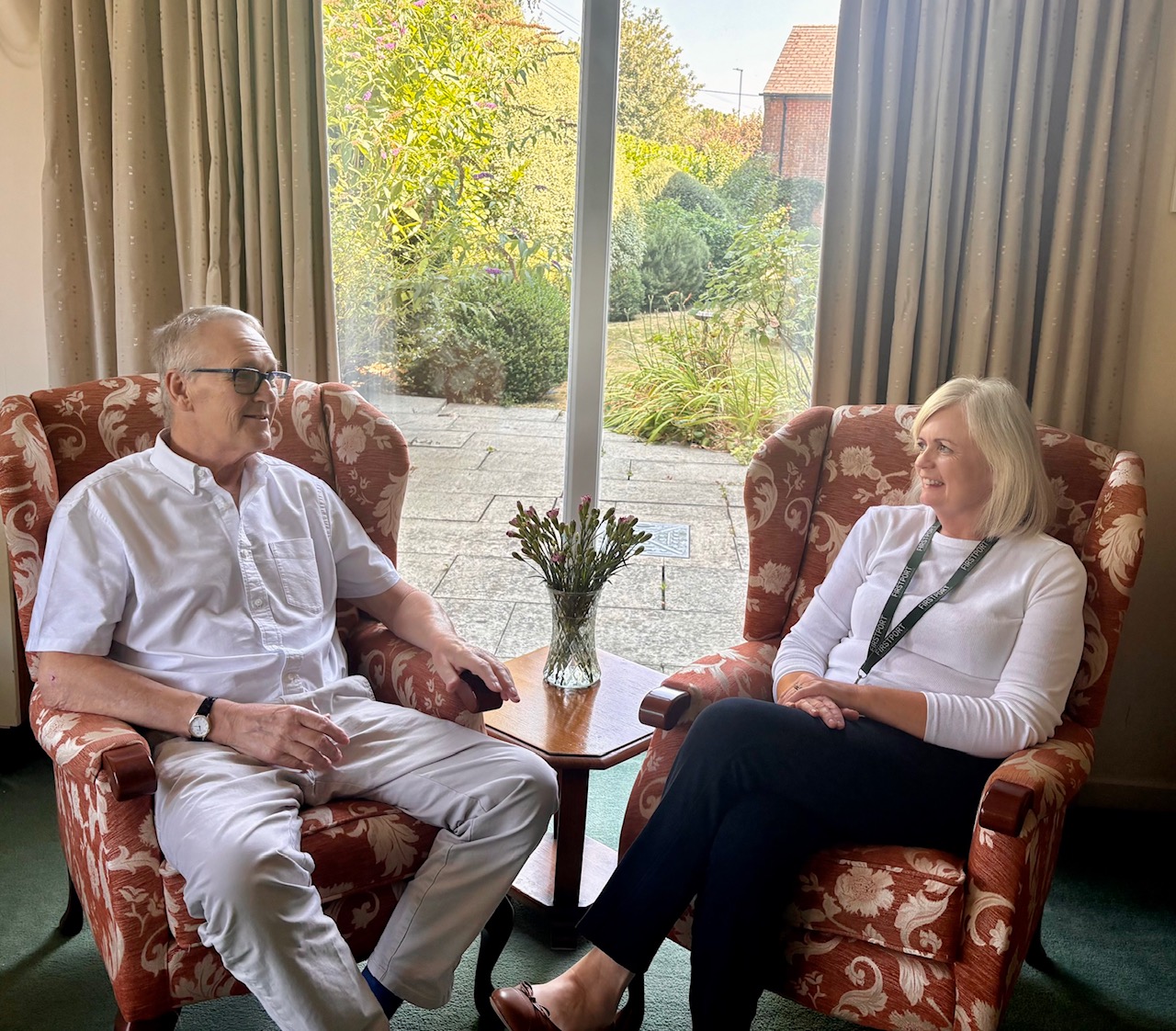
Most of us attend first aid training hoping that we’d never need to use it. But for FirstPort Development Manager Katie Garland, the training made all the difference when Andy, a resident at the retirement development she manages in Shaftesbury, collapsed in the corridor after suffering a cardiac arrest.
Reflecting on the experience, Katie recalls: “There was no time to stop and think about what was happening. Instincts kicked in immediately.”
Drawing on the skills gained through her first aid training, Katie began CPR straight away.
She was quickly joined by others who stepped in to help. Katie explained: “Alice, our local post lady, had just arrived at the building and was a great support with counting and keeping pace whilst I did the compressions.”
She was also supported by Lucy, a member of the Older Person Community Mental Health Team, who assisted by maintaining Andy’s airway and delivering rescue breaths.
Working together, they were able to get Andy breathing again and place him in the recovery position before paramedics arrived.
Andy was transferred to hospital, where he later underwent surgery.
For Katie, the experience has reinforced the importance of first aid training, and she is now a keen advocate of raising awareness around CPR training.
Katie added: “When performed immediately, CPR can be lifesaving. It is such a simple skill that is so important to have as it can really make all the difference.
“I’m incredibly fortunate that FirstPort invests in first aid training for all of us through the British Red Cross.”
Alice Squires, Training Product Manager at the British Red Cross, explained that the most striking aspect of Andy’s story was not only Katie’s quick actions but also the way several people came together to help.
She added: “We know that taking the first step in an emergency can feel daunting, but once somebody chooses to act, it often encourages others to get involved and support the response too.
“Successful outcomes following a cardiac arrest rarely come down to one intervention or one individual. They rely on a chain of survival, where people recognise that something is wrong, call 999, start CPR quickly, locate an AED if one is available and then hand over to the advanced care provided by ambulance crews and hospital teams.”
She stressed that CPR alone would not restart most hearts but said it could “buy precious time and help keep oxygen circulating until specialist medical treatment can be delivered”, adding that this is why the first few minutes after a collapse are so important.
Alice added: “Many people attend first aid training hoping they’ll never need to use it. Stories like Andy’s are a wonderful reminder of why those skills matter. Katie and the people around her chose to act when it mattered most, and because of that, Andy is still here to tell his story.”
Today, Andy is recovering well and is grateful to those who came to his aid. He later thanked Katie and the team for their swift actions, saying he was grateful for the care he received and pleased to be feeling great again.
To learn more about British Red Cross first aid training and how these lifesaving skills could help you respond in an emergency, visit: https://www.redcross.org.uk/first-aid/learn-first-aid