FOR RESIDENT MANAGEMENT COMPANIES
Fire safety and fire doors
Helping Resident Management Companies manage fire safety responsibilities with confidence.
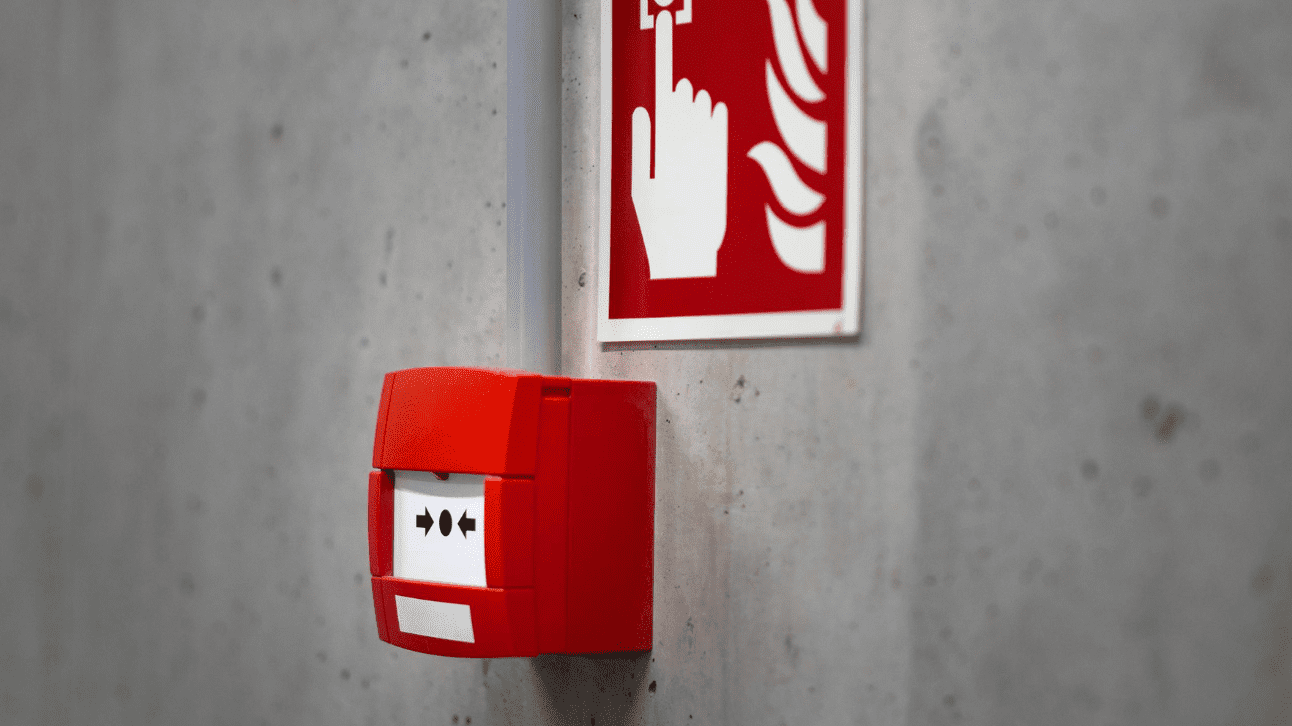





Protecting residents starts with protecting buildings.
Fire safety sits at the centre of effective residential property management and carries important responsibilities for Resident Management Companies (RMCs), Right to Manage Companies (RTMs) and Responsible Persons.
Regulatory requirements continue evolving. Compliance expectations continue increasing. Resident Directors are expected to maintain oversight of fire safety obligations while balancing wider operational, financial and governance responsibilities.
Professional property management provides the expertise, systems and operational structure needed to help developments manage those responsibilities effectively.
At FirstPort, health and safety remain our highest priority. We are the only UK property management company to have achieved five stars in every British Safety Council audit since 2016.
Our approach combines operational oversight, compliance management and resident communication to help Resident Directors protect both residents and long-term building safety. receiving safe, reliable and high-quality service delivery over time.
Supporting Resident Management Companies with fire safety compliance
Fire safety management involves far more than responding to issues when they arise.
Strong compliance frameworks rely upon proactive planning, regular inspections and structured oversight designed to help reduce risk and strengthen resident safety.
Managing agents support Resident Directors by coordinating fire risk assessments that identify hazards and support compliance with current safety requirements.
Fire safety equipment also requires ongoing oversight. Smoke control systems, self-closing fire doors and wider fire safety infrastructure all require appropriate inspection and management arrangements.
Inspection programmes form another important part of maintaining compliance. Fire door inspections, access arrangements, resident communication and follow up activity all require careful coordination to support both compliance obligations and operational continuity.
Emergency planning also remains critical. Residents need clear information about evacuation arrangements and safety responsibilities, while Resident Directors require confidence that emergency frameworks remain appropriate and regularly reviewed.
Resident communication forms a key part of fire safety management.
Providing clear guidance, maintaining visibility around responsibilities and ensuring residents understand how fire safety arrangements operate all contribute towards stronger protection and better outcomes.
Alongside operational delivery, compliance tracking and record keeping remain fundamental.
Strong audit trails, structured documentation and centralised compliance records help Resident Directors maintain visibility while strengthening accountability.
Fire safety obligations continue evolving.
Professional oversight helps developments remain aligned with changing requirements while reducing administrative burden and helping Resident Directors manage responsibilities with greater confidence.
Working with an experienced managing agent can help reduce compliance risk, improve communication and provide reassurance that fire safety responsibilities continue receiving appropriate attention.
Frequently asked questions about fire safety
Residents’ Management Companies acting as the Responsible Person hold important responsibilities relating to communal fire safety management, compliance oversight and maintaining appropriate fire safety arrangements.
Managing agents help coordinate inspections, fire risk assessments, compliance documentation, resident communication and wider operational arrangements designed to support fire safety obligations.
Fire safety management is ongoing. Inspection requirements vary depending on building type and regulations, but regular oversight remains essential.
Structured documentation provides visibility, strengthens accountability and helps demonstrate compliance obligations are being managed appropriately.
Professional managing agents monitor regulatory developments and help ensure processes evolve appropriately alongside changing obligations.
Looking for a development health check?
Complete the form to download our handy property management guide, packed with expert advice to support you and your development and request your complimentary development health check.
Fire doors, cladding safety and emergency evacuation planning
Understanding responsibilities and helping residents stay protected
Fire safety responsibilities extend beyond communal systems and equipment.
Fire doors, cladding safety arrangements and emergency evacuation planning all form important parts of protecting residents and supporting compliance responsibilities.
Resident Directors increasingly operate within evolving regulatory frameworks that require stronger oversight and clearer operational processes.
Understanding these responsibilities helps developments strengthen protection while supporting confidence for residents and Directors alike.
Fire door responsibilities
Fire doors play a critical role in helping slow the spread of smoke and fire within residential buildings.
Responsibility for fire doors depends on location, control of the building and current legislation.
Communal fire doors typically remain the responsibility of the Responsible Person.
Flat entrance doors leading into communal areas also carry responsibilities under current fire safety legislation.
The Responsible Person may be the building freeholder, Resident Management Company, Right to Manage Company or appointed managing agent acting on their behalf.
Fire doors must remain suitable for their intended purpose and require ongoing maintenance and inspection.
Buildings over 11 metres carry additional inspection requirements under current regulations.
Inspection arrangements often include planned programmes, resident communication and record-keeping processes designed to support compliance.
Access arrangements also play an important role.
Resident cooperation helps support inspection programmes and strengthens overall building safety.
Understanding the cladding safety scheme
The Cladding Safety Scheme provides government funding support for remediation of unsafe external wall systems on eligible residential buildings in England where developers or building owners cannot be compelled to fund works.
The scheme focuses specifically on addressing life critical fire safety risks associated with external wall systems and unsafe cladding.
For some Resident Management Companies and Right to Manage Companies, this may involve engagement with specialists, residents and wider regulatory bodies throughout remediation activity.
Professional support often provides valuable guidance where buildings fall within scope.
Strong communication remains particularly important throughout remediation programmes to help residents remain informed and supported.
Personal Emergency Evacuation Plans (PEEPs)
The Cladding Safety Scheme provides government funding support for remediation of unsafe external wall systems on eligible residential buildings in England where developers or building owners cannot be compelled to fund works.
The scheme focuses specifically on addressing life-critical fire safety risks associated with external wall systems and unsafe cladding.
For some Resident Management Companies and Right to Manage Companies, this may involve engagement with specialists, residents and wider regulatory bodies throughout remediation activity.
Professional support often provides valuable guidance where buildings fall within scope.
Strong communication remains particularly important throughout remediation programmes to help residents remain informed and supported.
Frequently asked questions about fire doors and emergency planning
Responsibility depends on the building structure and who acts as the Responsible Person, but communal fire doors and flat entrance doors into communal areas commonly fall within compliance responsibilities.
Inspection requirements vary depending on building height and applicable regulations. Buildings over 11 metres carry additional inspection obligations.
The Cladding Safety Scheme provides government funding support for eligible remediation works relating to unsafe external wall systems on qualifying residential buildings.
A Personal Emergency Evacuation Plan provides structured support arrangements for residents who may require assistance evacuating safely during an emergency.
No. Information collection focuses on practical evacuation requirements rather than detailed medical information.
Where support arrangements apply, reviews should take place regularly and where resident circumstances change.
Supporting Resident Directors with confidence
Fire safety responsibilities continue evolving.
Resident Directors increasingly balance compliance obligations alongside wider governance and operational responsibilities.
Professional property management helps provide expertise, operational oversight and structured compliance support designed to strengthen safety, reduce administrative burden and support long term protection for residents and developments.
Get expert guidance from the UK’s leading property manager
Complete the form to download our handy property management guide, packed with expert advice to support you and your development. Don’t forget to request your complimentary development health check.

Related content

Property management support for Resident Management Companies

Switching managing agents

What is the role of an RMC Director?
