28 min 10 sec
Episode 8: Inside the evolving world of later living
Exploring the benefits, challenges and future of independent later living communities.
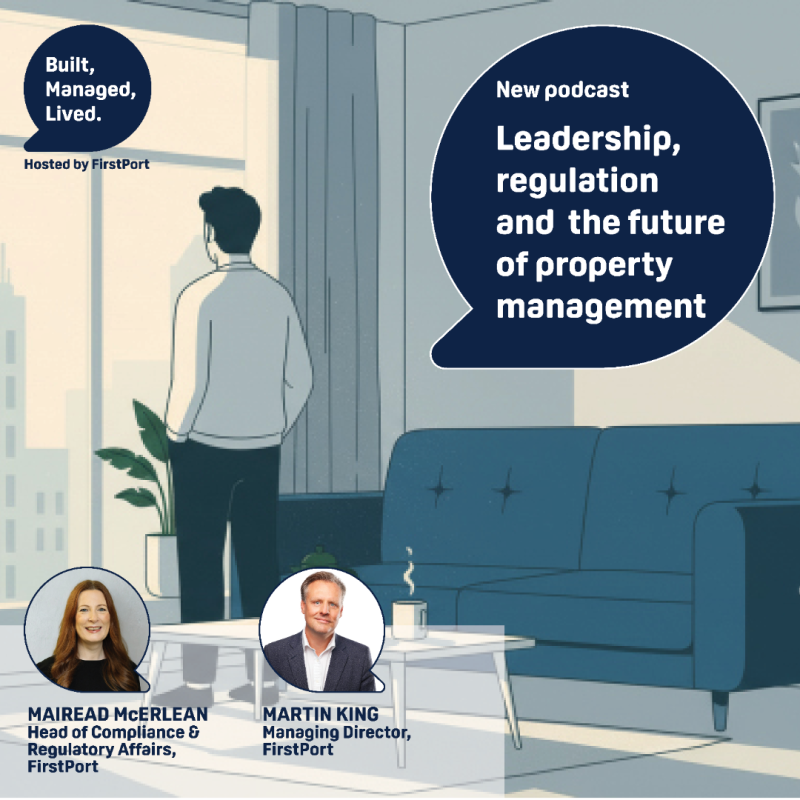
FirstPort’s Managing Director, Martin King gives his take on the future of the property management sector, including the role regulation will play in raising standards, transparency and accountability across the industry, plus the importance of staying ahead of regulatory change and continuing to invest in the skills and capabilities needed to deliver consistently high standards.
Key Takeaways
Read Martin’s thoughts on the future of the property management industry on our insights page: Leadership, regulation and the future of property management
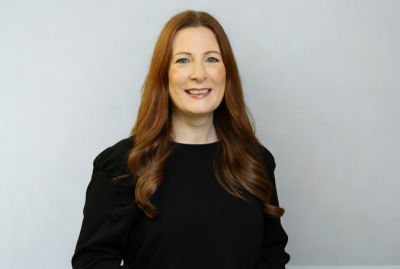
Head of Compliance and Regulatory Affairs, FirstPort
Mairead is Head of Compliance and Regulatory Affairs at FirstPort, where she provides strategic guidance on current and emerging legislation and regulatory frameworks.
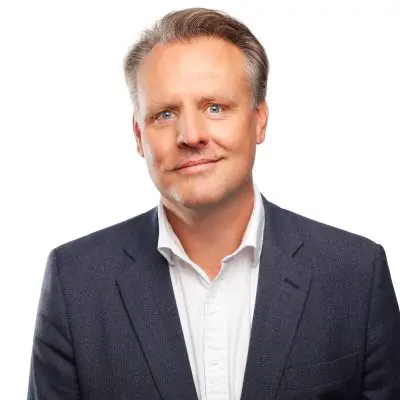
Managing Director, FirstPort
Martin is Managing Director at FirstPort, leading the business to ensure its vision and strategy are clear to colleagues across the country, while delivering the best possible service to residents and clients.
Mairead: Welcome to Built Managed Lived. And in a change from our usual format, I have got FirstPort’s Managing Director, Martin King, with me to give me Martin’s view on the world of property management. So, I’m Mairead, I’m Head of Legal Compliance and Regulatory Affairs. And Martin, you’re the Managing Director of FirstPort, but what does that mean in day-to-day terms? What, what do you do?
Martin: Well, first of all, thank you for, having me on your, podcast show. I joined or rejoined FirstPort, about two years ago now. and my role as Managing Director is to lead the company, to ensure that our vision, and strategy is clear to all of our, colleagues throughout the country, and that we are servicing residents and clients as well as possible. as well as, as we’ve all seen lately, negotiating all the different changes that are happening in the industry, and ensuring that FirstPort is, fit for purpose with the changing regulation and requirements, of an industry that is becoming more complex. and also ensuring that we are matching and exceeding ideally the expectations of our residents and the changing expectations they have of managing agents throughout the UK.
Mairead: So, we know what you do now, Martin, but, but how did, how did you get here? What was your first job? And did it teach you anything that still shows up in your working style today?
Martin: My first job, was, I believe, actually a labourer on a building site in St Albans, during the summer. And what did I learn there? Hard work, and also just getting on with, people, getting on with the job, having clarity of purpose and, making sure that, everything that was expected of me as a, then a, a young chap on a, on a building site, was delivering, everything that was required.
Mairead: So what was your, your path from labourer to Managing Director of a property management company?
Martin: Probably, quite a varied, and strangely meandering course. most people, I certainly am not gonna look back on my career and say that everything was planned and deliberate. it certainly wasn’t in many ways, but certainly from, from university. and my first job out of university was, as a wine merchant. I enjoyed, the concept of, of wine. I didn’t want to ultimately be a wine merchant but certainly wanted to take all of my tasting exams. So, I worked for Majestic Wine for a year, in Central London, at the Battersea store at the cinema down there. And learnt all my, elements of the exams and as a wine merchant and, loved, loved to do that. then moved into Soho, a company called Mar Dev, which was part of Reed Elsevier at the time. and that brought, data and data information into my life in a way that I hadn’t known before. And after that, I helped set up a data company, with four or five friends, and we grew that into, quite a sizable SME where we, had offices in London, Toronto, and Paris. and that was a startup from four or five of us at the very beginning. just stuffing envelopes and trying to find clients to about 70 people, in those three offices, servicing a whole array of, of clients. and then in between all of those, elements, I joined the army or the Army Reserve and, experienced a number of, operational tours throughout that time as well, which was obviously rewarding in many ways and, and an experience. So, I joined … Once I got back from a year in Afghanistan, I joined, CBRE. and, after about four years, I think at CBRE, joined FirstPort as Head of Business Development, Marketing, and Communications. And that was my first, I think, six years at, at FirstPort before I left. Went away again for a couple more tours, operational tours abroad, and then, came back, into Emeria, before taking the helm at FirstPort as Managing Director.
Mairead: Martin, in that gap between leaving FirstPort and coming back, what struck you about the changes within the property management sector in that time?
Martin: So there were a number of changes. I have expressed quite firmly that I’m in favor of num- m- you know, pretty much all of the changes that are happening. But as a, as an industry, change has been required for some time. and much of that I would put into the bucket of, professionalism and capabilities in industry. And I think the regulation, that is, and the focus that is coming down, from Parliament, is required. It’s, you know, we are a serious industry that deals with complex buildings and developments, that needs the right level of qualified individual, that needs the right systems and processes for a business. Any business that’s in this industry, it needs the communication, capability to discuss, complex issues with clients and their requirements, and also with residents and what they require. So the whole industry had, had, been pushed forward in some way that meant that we needed to ensure that FirstPort was-Capable and fit for purpose for that, and that we needed to ensure that we matched the requirements of our clients and our residents going forward.
Mairead: There’s a lot of points in there, Martin, that, you know, buildings are becoming bigger. They’re becoming more complex.
Martin: Mm-hmm.
Mairead: There’s more systems involved.
Martin: Yeah.
Mairead: larger developments. You know, property management is much more complex now than it was even a decade ago, particularly in the areas which have become regulated. So we have the, the Building Safety Regulator-
Martin: Yeah
Mairead: … heat networks, which-
Martin: Yeah
Mairead: … FirstPort manage a lot of, are now within the remit of Ofgem. What capabilities do we have here at FirstPort that people outside the business often overlook?
Martin: So that’s an interesting question. I think if I go back, you know, the decade, decade or so, of what a property manager did, and, there’s a, there’s a image of a property manager that turns up to an estate and, you know, the, the lawn is mown and the carpets are, you know, in good order, and the fabric of the building. And, and that’s moved on. There’s obviously still a certain element of that. but it has changed. And as you say, with the regulation that’s come down, and, the expectations from us as an industry, it, it, it has meant that we have to invest and focus on different teams with different capabilities, with the right qualifications, and the right focus. So we’ve always had a building safety and a health and safety team, but that has been strengthened considerably in the last two years to enable us to ensure that we are on top of, building safety a- and, health and safety in general as a business. Technical team, getting in individuals and building a team that understand the heat networks and technical equipment, more so than we have in the past because we’ve not r- not needed to. And in many ways, property management, the old-fashioned, you know, the old-fashioned view, of property management is obviously still there. But everyone who works in this industry needs to then be able to deliver a much more, in-depth and complex asset management aspect as well as a property management aspect. And in some ways, that is, what focus, our property managers have and our technical teams have. They need to work hand-in-hand to ensure that technical, equipment, building safety, regulations is all, are all taken into account, as well as the traditional property management that we all know and recognize.
Mairead: Why is it important to you to build that capability internally rather than relying on third parties for that?
Martin: I think in many ways control. You know, this is, you know, FirstPort is a large company in the industry. and we should be able to service ourselves and our clients and residents through our own, own, capability our own internal teams. And I think having, experts being, being brought in, qualifying our own existing staff to a higher standard than they have done before and e- expecting that standard to be maintained means that as a business we are more in control of, of the developments we, we manage. which should mean that our levels of service are improved, and we can control that level of service for our clients and our, our residents without having to outsource information or outsource, capability into the market.
Mairead: You alluded there to the fact that the kind of old-fashioned idea of a property manager, has changed, and there are lots of teams within FirstPort to support our property managers. but property management’s not an easy job for the people who are out there on the ground.
Martin: No.
Mairead: What support are FirstPort providing to property managers to help them with their role? And when I say property manager in that context, I do mean the kind of-
Martin: Yeah
Mairead: … the traditional person that does go out to a building and in- inspect it, meet with the residents, et cetera.
Martin: As you mentioned, the traditional role of the, of the property manager has changed. In some ways it’s the same, but it has changed and the expectation has increased on, on the requirement of that property manager. So for us, enabling those property managers to be trained to the highest level that they possibly can, and we have a, a s- a, a process now, put in place that we work with TPI, that every property manager has a base level of TPI Level 2. and we’re moving them through, TPI Level 3 and, and 4, as the expectation of qualifications to, be a property manager on a high-rise building will be they’re the right qualifying, the right qualifications. And we’ve put through a, a, in the region of 1,300 members of staff now through that training process. And I want FirstPort to be recognized as a highly qualified, highly capable property and asset management company that can deal with, a simple estate somewhere or a, a very complex high-rise building, with the right, individuals that can take that forward and the right support network internally in the business to ensure that the individuals on the ground dealing with residents and communicating with residents, and also liaising with clients, are supported in the best way that they possibly can. And that includes systems and processes that we have to make sure that they are the best systems and processes that we can put in place. People understand what those processes are, they know how to use them, and that we’re setting ourselves up for success as we move into the future. There’s an awful lot of change, as we mentioned earlier, both regulatory but also how we work. What are our expectations of our staff, and how do, clients and customers want to communicate with us? How we did it 10 years ago, isn’t ideal for the future and moving forward. Therefore, we’re investing, a lot of time and effort, and money, into making sure that we have those, those processes and systems in place, in order for us to lead the industry going forward.
Mairead: We’ve talked a lot about change, and there is a lot happening on the regulatory side of things-
Martin: Mm-hmm
Mairead: … at the moment. What’s your overall take on the government’s proposals?
Martin: Well, I think my overall take on the government proposals are that it’s on the whole a good thing. we’ve always been supportive of change, all the way from Lord Best’s days. and we are … Much of what we’re doing, in regards to recrafting FirstPort is to match those challenges that are coming down, the line for all of us, in the industry. and making sure that, as a leading property management company, we’re able to meet the requirements that will be coming, to all of us. So but, you know, to the previous question of what have we, focused on and, and obviously regulatory reform, and compliance is something that we’re taking very seriously. And that is one of the reasons, Marie, that you are in the post. and, you know, I’ve listened obviously to the, podcasts that you’ve led previously, which were very interesting, very well, received. So, you know, if I may, I’d bounce the question back and, and say to you what is it that you feel are the key aspects of regulatory reform that’s coming?
Mairead: Wow. There, there’s, there, there’s so much reform coming, and I think th- there are bits that the government are getting right i- in terms of creating a, a standard that will apply across the industry. creating standards that will create a, a sense of uniformity for residents in terms of the, the documents they receive and how things will look. That kind of change I think is very positive. I have some concerns around certain aspects of that, that I think a lot of the proposals are based on the idea of managing a single building. And they work from the, from the perspective of managing a single building, but I think they need a little bit more work in order to be operative and useful on a, a much bigger development. And as we know, much bigger developments are becoming a lot more common.
Martin: Mm-hmm.
Mairead: And those big developments often have lots of assets in there that all need to be managed, and they have to be managed differently because some people have access to some assets but not others. So w- we, we have developments in FirstPort where we’ve got flats, we’ve got freehold houses. There are concierges. There are parks and play areas, woodland. Th- there’s so much to be managed that the proposals don’t quite get that right yet. But we’ve fed into the government’s consultations.
Martin: Mm-hmm.
Mairead: We’ve provided example documents to show what the management of a complex development looks like, and I really hope that some of those proposals and suggestions are taken on board.
Martin: Mm-hmm.
Mairead: Because I think the change is right, but it’s important that it’s the right change.
Martin: Yes. And, and, I’d agree with that. And I think much of, or many of the changes that are, are coming down the line have been realized as, as a complex industry unit. And what appears to be relatively simple isn’t and, and it’s for us to try and negotiate what those, complex issues are and often explain them to customers that can be confused about what a property manager actually is, where we sit, in the, chain of responsibility, what service charges are actually for, how we deliver them, how we, work with our contractors, et cetera. And all of that needs to be explained and, and as you say, sometimes it’s extremely complicated and sometimes it’s not. And the reform that comes through, transparency is mentioned a lot. Communication is mentioned a lot. And that’s quite right. You know, customers need to understand what a property manager actually does. W- what are we responsible for and what are we not responsible for? What is a resident responsible for, and, and, w- you know, what l- what, liability sits where? so all of that needs to come together. And, one of the teams that we have invested, a great deal in is also the communications team. and a large part of their remit is this, is actually being able to ensure that our website explains what we do well, that our communication, MyHome, communicates well with customers and easily to u- easy to use. and we have a journey to go on, I think like most people in the industry. But we are working hard at getting it right. We’re working hard at anticipating those changes that are coming down, the line. but from a view through the resident and the customer’s eyes and also from from, what clients would require from us as we d- as we manage developments that they, that they have. So, it is a, a changing landscape. It has been for a while. We, certainly haven’t settled yet. we still must, wait and see. But in the meantime- FirstPort has gone through a number of changes, and I think positive changes in order to meet those challenges going forward, in order to meet the requirements of customers, of residents, of clients, in an ever-increasing and complex environment.
Mairead: One of the big changes that is on the cards, Martin, is commonhold, and this is one of my very favourite subject-
Martin: Yes
Mairead: … areas to discuss because people are talking about the new tenure of commonhold. And it, it, it’s not really a new tenure because back when I was at university, we were looking at the first iteration of commonhold, and it didn’t take off. There are now new, more detailed proposals for commonhold. Ultimately, commonhold is a form of resident-led management. So that’s, that’s not really new, is it? We have resident-led management already. Can you talk me through how FirstPort deals with that?
Martin: As we’ve mentioned a number of times when- whenever we’ve been asked about this, that we are, we’re tenure agnostic, and we have a portfolio that we manage from Scotland all the way through to, to Cornwall, and all sorts of different tenure within that. So, we will work with whatever the government, decide and settle on and, and when that, when that arrives for us. But the most important thing is, to ensure that the residents are involved in, commonhold and, become RMC directors, that they understand what their responsibilities will be. I think that there are lots of upsides and, and obviously the messaging that is put out is focusing on the upsides about control and understanding and having more decision-making capability. But the other side of that is more responsibility, and a clearer requirement for a clearer understanding of what is required of, as an RMC director, as an example. So FirstPort, will help, residents and RMC directors, with that in understanding, understanding what is required, what, changes in legislation or building safety may affect them that they have to then make decisions on. So I think it’s moving towards a, a process that individuals who form a board of directors will need more information and understanding of what will be required of them going forward. And hopefully FirstPort will be able to help them with that and navigate the different changes.
Mairead: And m- more broadly, where do you see the industry heading over the next few years with, with so much change coming, additional regulatory requirements, you know, perhaps a, a change of the traditional client from a developer or a freeholder to a resident? How, how do you think that’s going to affect the industry?
Martin: I think in many ways the industry, so there’s the, the outside level, the, the, the changes that are occurring that are outside of our control, whether that’s regulatory reform or, or expectation. But I, I think some of the biggest changes for our industry are about how managing agents conduct their work. And I think, we’ll become a lot more, professional in our approach and more data-led. I think factual elements, the processes that we put in place and how we understand a building, how we hold assets, how we understand assets, how we manage them, the types of individuals that we have in our business and in our industry that understands how to, ensure that those assets are well-maintained. so I think the whole industry will be moving forward with a sense of, professionalism, capability, more technical, knowledge will be required in an ever-increasing, changing building environment. and that’s both what I call the gray space of the hard element, the sort of concrete element, the building element, but also in the green space area of, BNG, ESG, understanding how the environment, affects residents and the buildings that they live in, working with developers as the managing agent to discuss at an earlier stage how buildings, should be managed and, and the ease of that. so I think all of that will combine to an industry which is, is changing, becoming more regulated, more professional, has to invest in itself through qualifications, through the in- types of individual that join our industry and why, what motivates them to ensure it’s a long-term career, and that anyone can join from any walk of life, and that if they join FirstPort, then we would be able to put them through the right qualifications and the right capability all the way through, their career.
Mairead: And is there anything that you’ve learned that you think is especially useful in guiding an organization through a period of change?
Martin: I think taking, everyone on that journey with you. I think, having a plan, having a strategy and keeping it to yourself is not ideal, because it won’t take your team with you. I think being able to express what it is we’re trying to achieve clearly and being able to deliver that, and lead by example is, something I’ve learnt from quite early on. And, some of the, the values that we have here are keeping things simple, making sure that whatever we deliver, is understood and is relatively simple, being collaborative as a team, working together, no single person has the right answer, making sure that what we do is clear and purposeful, and also being consistent So I think when we put new systems and processes in place, when we communicate with our customers, doing it over and over again in the right way, not just as a single… It needs to be done consistently all the time, every time.
Mairead: I think in, in any period of change, you’re going to have to, to try different things. What happens when they don’t work? How do you keep everyone focused and keep them moving forward?
Martin: Failure will always come with any plan, and, how we react to that, actually is reflective of how good the team is. And certainly, the team I work with are more than used to something going wrong, something not quite working, but that’s okay. You know, 80% of a plan and then working with the challenges is fine, but working together, being open and honest about what the issues are, putting them on the table, and then working as a team to resolve them as quickly as we can. I think the worst case, or the worst thing that we can do is pretend or not, lean into issues that we have if a project has gone wrong or is moving off in the wrong direction. But dealing with it, having the confidence to, from whatever level, being able to flag something that doesn’t feel right, and then readjusting the plan and moving forward, and that’s perfectly normal in any, any plan. The abnormal would-be setting a, setting a target, setting a plan, and it seamlessly moving ahead, delivering everything on time without any issues whatsoever.
Mairead: I’m going to do a quick fire round. early start or late finish?
Martin: Early start. I, I, habitually, am up and away by half five.
Mairead: Best piece of leadership advice you’ve ever been given?
Martin: Right or wrong, make a decision.
Mairead: Phone call or email?
Martin: Phone call.
Mairead: Favourite book?
Martin: Probably the Harry Flashman group of books by George MacDonald Fraser.
Mairead: Coffee or tea?
Martin: Tea.
Mairead: That’s the right answer. Well done.
Martin: [laughs]
Mairead: how do you switch off after a tough week?
Martin: I enjoy horse riding. In my spare time, I run a ceremonial cavalry unit, up at Flemish Farm. We have, about a dozen horses up there and around 60 troopers, and we do ceremonial events throughout the City of London, and London in general.
Mairead: One thing people might be surprised to know about you.
Martin: Well, I think there’s probably a few things, but, one of the most surprising or people find very surprising is that I, I rather like sewing.
Mairead: Ooh.
Martin: so, uh-
Mairead: sewing what?
Martin: Sewing things up. So, you know, just a needle and thread. I find it quite therapeutic. in fact, recently I, in my jacket, I, sewed in a new pocket that fits, perfectly, in the side pocket. So, I like coming up with things that, are interesting and then, and then sewing them or, or doing my own sewing, which sounds very strange, but I do. I find it very therapeutic.
Mairead: And to finish, when people look back on your time as managing director, Martin, what do you hope they’ll say about the kind of leader you were?
Martin: that I led with, clarity, understanding, and empathy.
Mairead: Martin, thanks so much for, for joining me today. It’s been great getting to hear your perspective and learning a bit more about you as a person and as a leader.
Martin: Perfect. Thank you very much, Marie.
Mairead: And thank you to everyone listening. I hope you’ve enjoyed this episode. Keep an eye out for some further conversations that are coming up. We’ll continue to share our insights from across the business and the industry. See you next time.
Be part of the conversation
Have a perspective on how homes are designed, managed or lived in? We’re always looking for new voices to join the conversation.
Explore our latest conversations about residential property management
Never miss an episode
Join us on Spotify and Apple Podcasts for fresh conversations, stories, and insights.
Get in touch to learn how our range of residential property management services can support your development.